Early warning system (EWS)

From Reactive Protection to Proactive Safety

A standard Lightning Protection System protects your building when a strike occurs. An Early Warning System protects your people and operations before it happens. We design and install advanced EWS solutions that monitor atmospheric conditions in real-time, providing automated, advance warning of lightning threats so you can take action.

Why an EWS is Critical for Your Operation

For facilities with large open areas or mission-critical processes, protecting the building isn't enough. You need to protect the people and operations that are vulnerable in the minutes leading up to a storm. An EWS provides the data-driven alerts needed to make timely safety decisions.

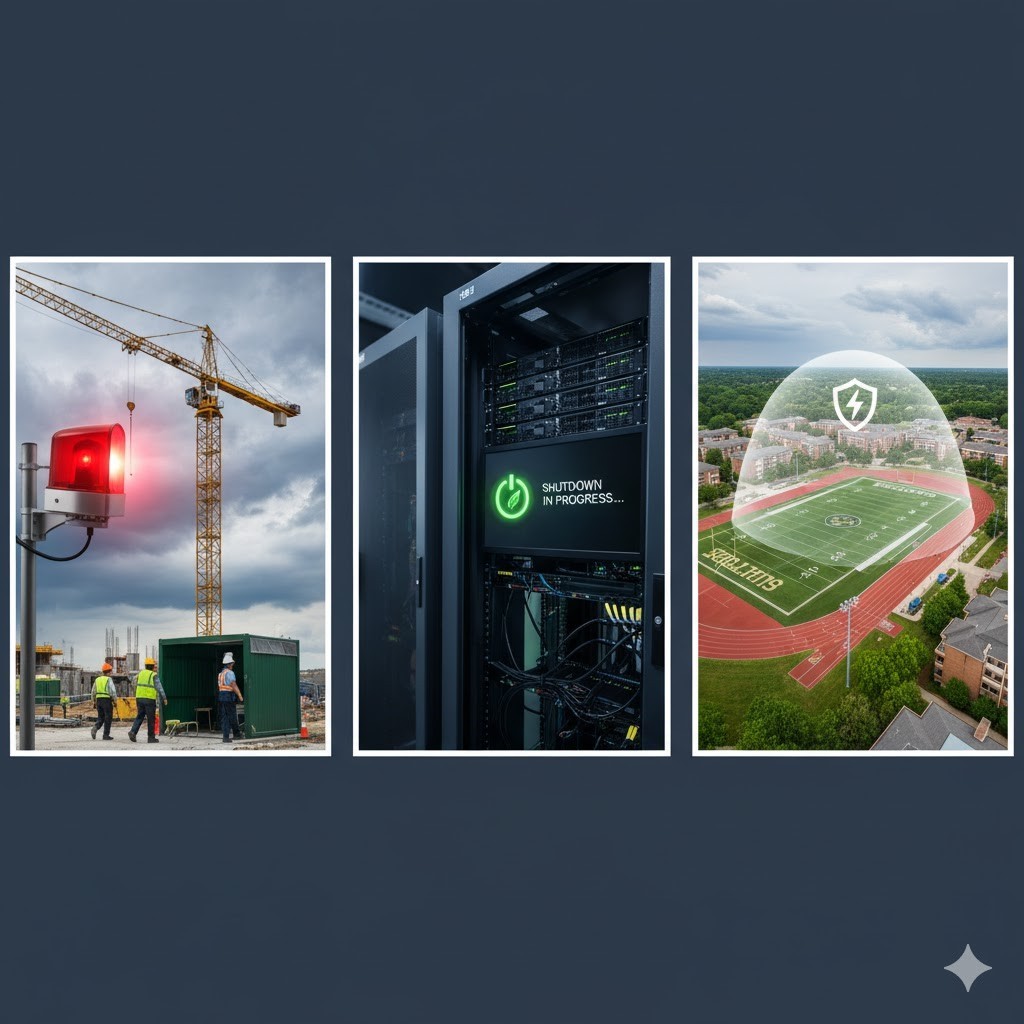
  • Protecting Human Life: An EWS provides the crucial window of time needed to clear personnel from open spaces like mining sites, construction zones, airport tarmacs, and sports fields, preventing injury or loss of life.
  • Ensuring Operational Continuity: Allows for the safe, orderly shutdown of sensitive electronic equipment or industrial processes before a lightning-induced surge can cause data corruption, damage, or costly downtime.
  • Eliminating Guesswork: Replaces subjective human judgment ("Do those clouds look dangerous?") with reliable, scientific data, triggering clear and consistent safety protocols every time.
  • Covering Wide Areas: While an LPS protects a single structure, an EWS can monitor your entire campus or operational area, providing a comprehensive safety umbrella.

Our Meticulous Approach: EWS Deployment

We deliver a complete, end-to-end early warning solution tailored to your site's unique geography and operational needs.

Step
1
Site Assessment & Threat Analysis

Our process begins with a thorough analysis of your site and operations. We identify your specific vulnerabilities, the areas needing protection, and the critical time required to safely suspend activities and get personnel to shelter.

Step
2
System Design & Sensor Placement

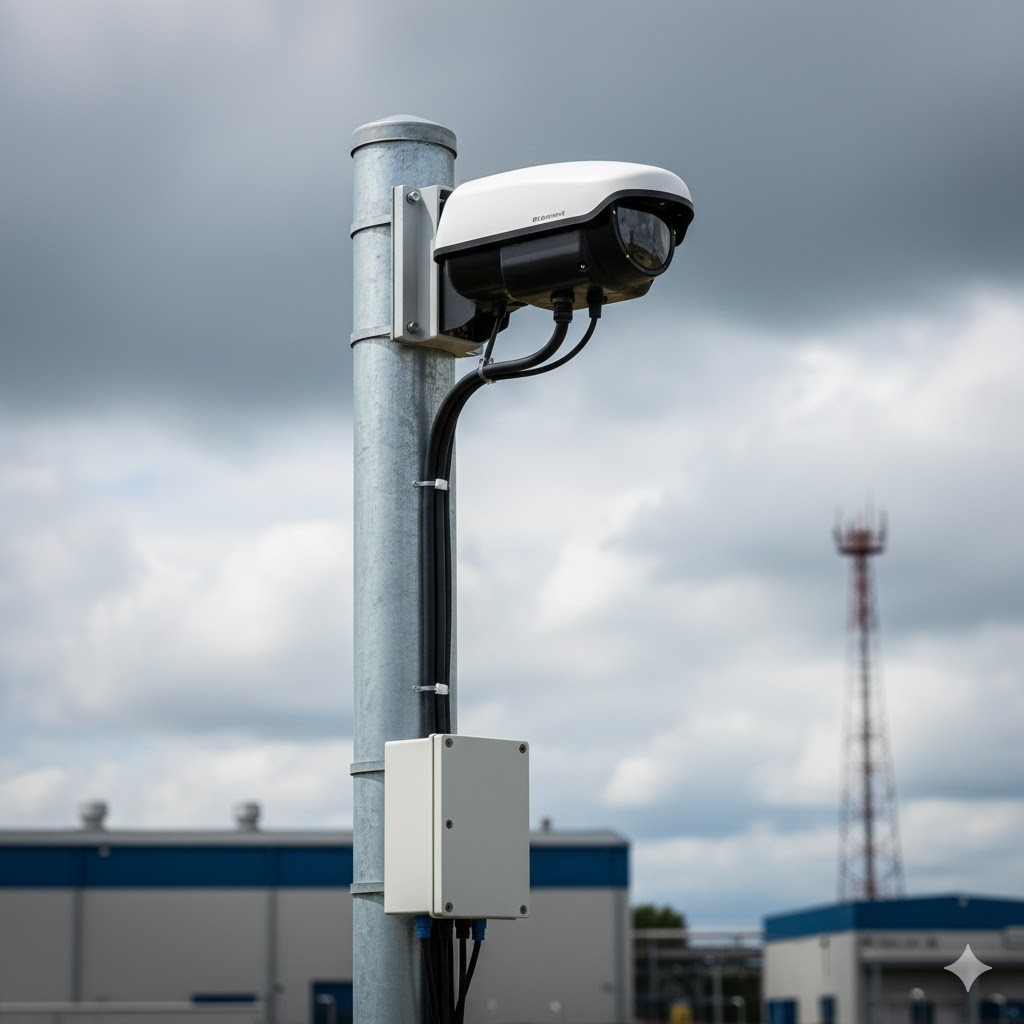
Based on the assessment, we design a custom EWS solution, determining the optimal type and placement of atmospheric field sensors. These high-tech devices continuously monitor the electrostatic field, detecting the conditions that precede a lightning strike.

Step
3
Integration with On-Site Alert Systems

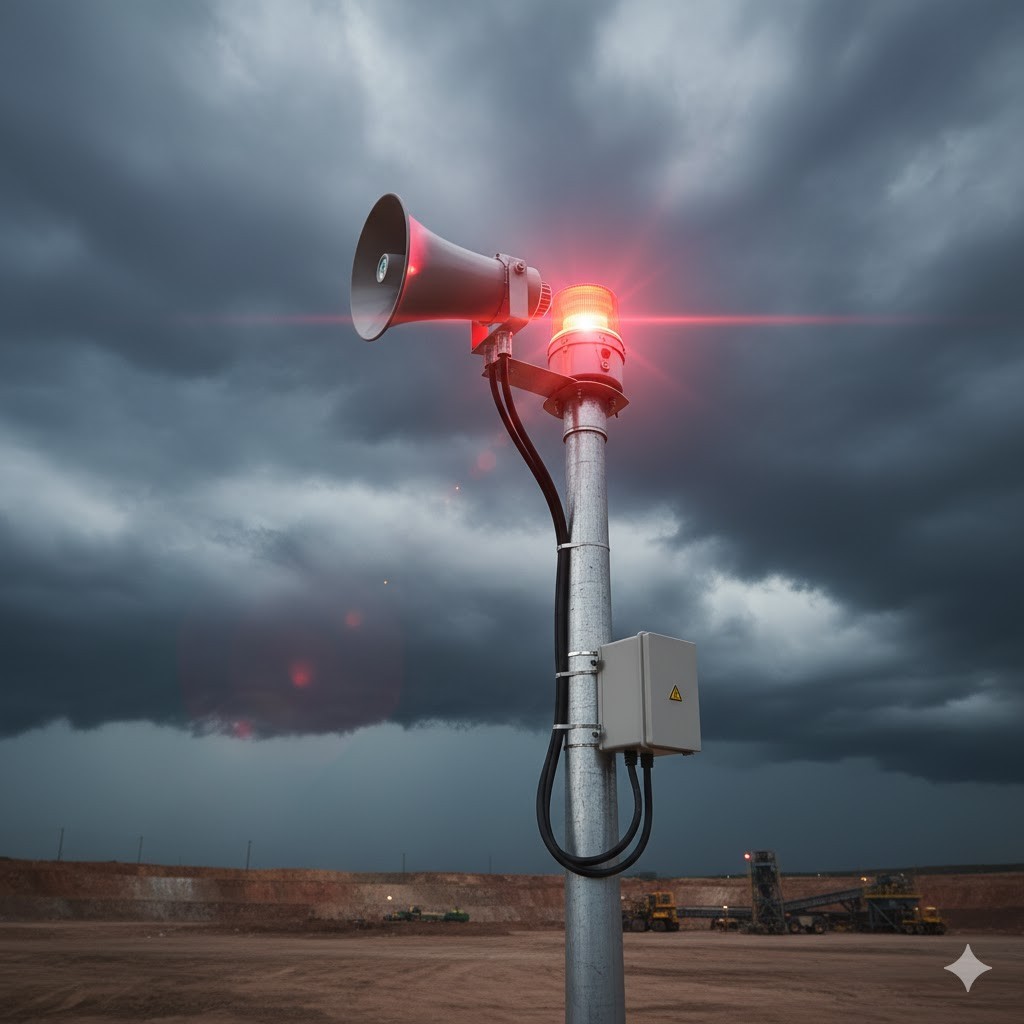
The true power of an EWS is in its automated alerts. We integrate the sensor data with your on-site notification systems, including high-decibel sirens, flashing strobe lights, public address (PA) system announcements, and automated SMS or email alerts.

Step
4
Calibration, Training & Protocol Development

Once installed, we fully commission the system and work with your team to develop clear, actionable safety protocols. We train your staff on what each alert level (e.g., "Advisory," "Critical") means and the specific procedures to follow for both "danger" and "all-clear" signals.

The Advantage: Time to Act, Power to Protect

An EWS transforms your safety posture from reactive to proactive, giving you control in the face of a storm.

Automated, Multi-Level Alerts

Receive clear, escalating warnings as the lightning threat increases, allowing for a measured response.

Real-Time Localized Data

Get alerts based on the actual conditions at your site, not generalized regional weather forecasts.

Customized Safety Protocols

A documented, easy-to-follow plan that ensures a consistent and safe response every time.

Maximized Safety & Minimized Downtime

Protect your most valuable assets—your people—while reducing costly operational interruptions.

Ready to Get Started?

Contact Us

Join thousands using our end-to-end solutions for lightning protection and electrical safety. We combine global standards (NFPA, IEC, UL) with practical expertise for projects in the U.S. and South Asia.